What to Look for in a Water Jug Manufacturer Before You Place a Bulk Order
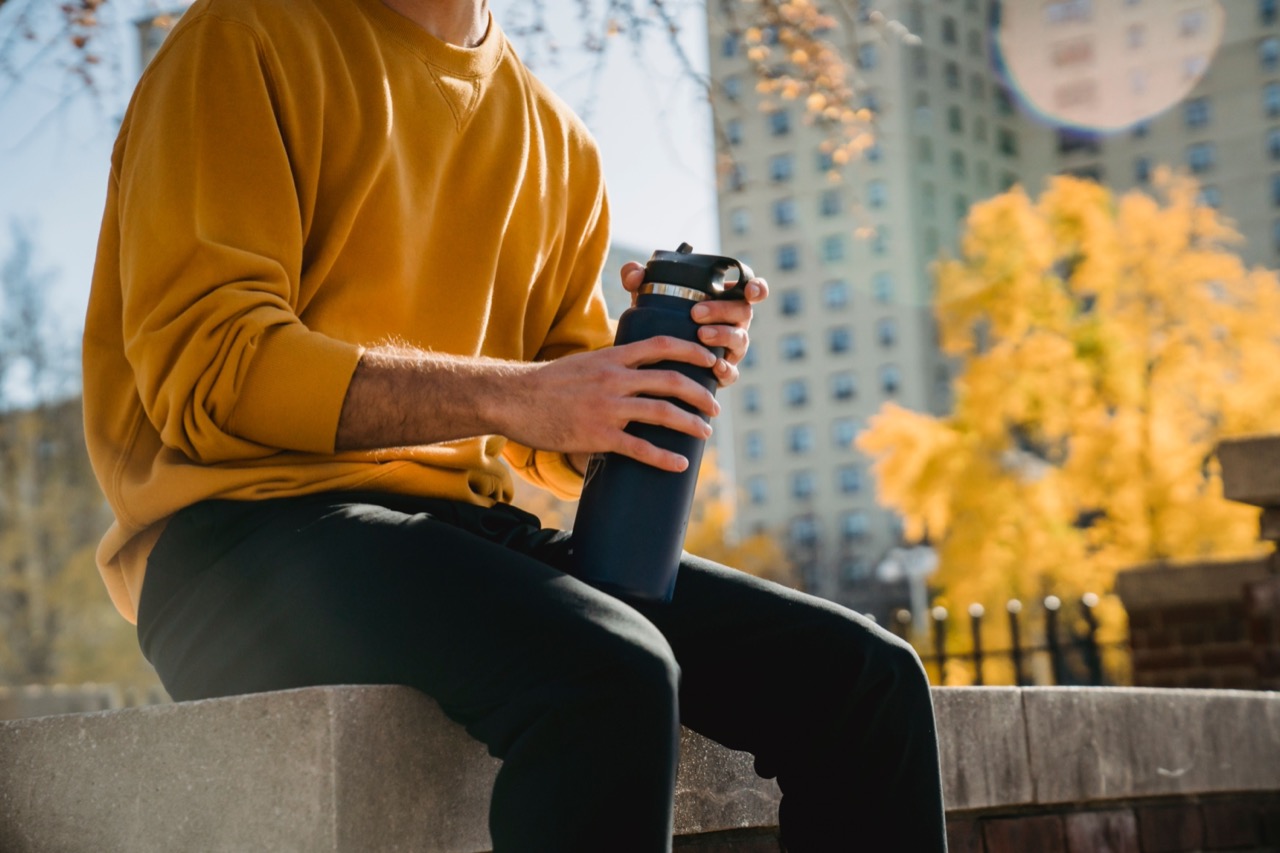
Large-format water jugs occupy a specific niche in the drinkware market — bigger than a standard water bottle, designed for extended use, and often the product that gets the hardest daily use of anything in someone’s kitchen or gym bag. Getting the product right matters more than it might seem, because a jug that leaks, sweats, or falls apart under normal use isn’t just a return — it’s a customer who tells other people about it.
Choosing the right manufacturer is where that decision gets made. Here’s what to look at before you commit.
Manufacturing Capability Versus Trading Company
The first thing worth clarifying when you find a potential supplier is whether you’re dealing with a manufacturer or a trading company. Both exist in the water jug supply chain, and the distinction matters.
A manufacturer makes the product. They have the tooling, the production equipment, and the quality control infrastructure. They can tell you how the jug is made, what materials they use, and what their rejection rate is on a given production run. When something goes wrong, they can investigate at the production level.
A trading company sources from manufacturers and resells. They may have access to a wider range of products and can be useful for smaller orders, but they have less control over what happens in production and less ability to solve quality problems at the source.
For a bulk order where consistency across thousands of units matters, working closer to the actual manufacturer reduces variability. Ask directly: do you manufacture this product in your own facility, or do you source from a factory? A straightforward answer in either direction is more useful than a vague one.
Material Specification and Verification
Water jugs are food-contact products, so the material they’re made from matters both for safety and for performance.
For stainless steel jugs, 18/8 (304 grade) is the standard for quality drinkware. It’s corrosion-resistant, durable, and food safe. Some cheaper products use lower-grade stainless that may not hold up the same way under regular washing and acidic beverages. Ask the manufacturer what grade of stainless they use, and ask for mill certificates or material test reports if the order is large enough to warrant it.
For the interior coating or finish, ask whether any coatings are applied to the inside of the jug and what those coatings are made of. Interior coatings should be food-safe and documented as such. BPA-free certification is worth confirming in writing if it’s relevant to your market.
Food safety certifications vary by market — FDA compliance in the US, EU food contact material regulations in Europe. Ask for the actual test reports rather than just a claim on the product page.
Lid and Seal Design
The lid is where most water jug quality problems originate, and it deserves more scrutiny than it usually gets during the sourcing process.
Ask the manufacturer how the lid seal is tested. A leak test on finished units is the minimum — some manufacturers test every unit, others test on a sample basis. Find out which applies and what the rejection criteria are.
For large-format jugs, the lid design also affects usability. A wide-mouth lid that’s easy to fill and clean is a different engineering challenge than a bottle cap, and the tolerances that prevent leaking on a bottle don’t automatically translate to a jug-sized opening. Check whether the threads are consistent across multiple sample units and whether the seal holds after repeated open-close cycles.
If your product will be used in outdoor or sports contexts, ask about the lid’s resistance to impact — does it crack if the jug is dropped with the lid on? That’s a failure mode that shows up in customer reviews and is worth testing before you’re looking at a returns problem.
Insulation Performance Claims
Double-wall vacuum insulation is a common feature on premium water jugs, and the performance claims vary widely. “Keeps cold 24 hours” is a marketing claim that depends entirely on how the vacuum seal was manufactured and whether it holds up over time.
Ask the water jug manufacturer how they verify vacuum seal integrity on production units. Thermal testing — filling with ice water and measuring temperature retention over time — is the most useful verification, and a manufacturer with confidence in their product should be able to share test data.
Also ask about vacuum seal durability over time. A jug that insulates well when new but loses vacuum after a year of use is a warranty problem waiting to happen. Some manufacturers test long-term seal retention as part of their product development; others don’t.
Customization Options and Minimums
For branded products, the customization options available and the minimum quantities that trigger them are important sourcing variables.
Common customization methods for stainless jugs include powder coat in custom colors, laser engraving, and printed graphics. Each method has different lead times, cost structures, and minimum quantities. Powder coat in a custom color typically requires a larger minimum than laser engraving on a standard color product.
Get specific numbers before you build your ordering plan around them. A minimum of 500 units per color sounds manageable until you’re trying to run three colors and find out the per-color minimum is 300.
Also ask what happens to your tooling or custom color setup fee if you reorder. Some manufacturers amortize the setup cost over the first order and then charge a smaller re-run fee. Others charge full setup on every order. That affects the economics of smaller reorders as the product line matures.
Lead Time and Capacity Honesty
A manufacturer who gives you a lead time should be able to explain what it’s based on. Is it based on their current order book and production capacity, or is it a standard number they quote to everyone?
Ask what their current production lead time is for the specific product you’re ordering, and ask what factors could extend it. Raw material availability, finishing queue, and quality hold times can all push lead times out. A manufacturer who thinks through those variables when answering is one who’s actually managing their production schedule.
For first orders, build in more buffer than you think you need. The production process for a new custom product — especially with artwork review, sample approval, and any revisions — takes longer than experienced buyers expect the first time, and longer still than first-time buyers expect.